Not every custom foam project arrives ready for production. Many customers first come to us with a concept, hand sketch, or product that needs protection but has no packaging design yet. Turning those early ideas into a precise, manufacturable foam solution takes more than foam stock and cutting equipment. It requires engineering expertise.
At Keystone Foam, custom foam prototyping is a core part of how we work with our customers. Here’s how the process works, what separates a strong foam prototyping partner from a standard fabricator, and what industries benefits most.
Why In-House Engineering Matters in Custom Foam Prototyping
Many fabricators rely on freelance or contract packaging engineers. Those contract engineers understand what a foam solution should look like to protect a product but often lack direct manufacturing experience.
Keystone Foam in-house engineers also understand how a foam packaging solution will be fabricated.
Because our in-house engineers work alongside our production team every day, they design with manufacturing in mind from the start. They know how cutting orientation affects a finished piece, when a design is better suited to a different machine, and how to avoid potential production issues that slow projects down. The result is a design that performs as intended and can be produced efficiently.
Engineering and prototype expertise is core to our business. Roughly 15–20% of customer projects begin without any CAD files. Our engineers directly support the design on an estimated 30–40% of new projects.
The Custom Foam Prototyping Process, Step by Step
1. Define the concept
Projects can begin in many forms: a hand sketch, a concept discussed on a call or virtual meeting, a template, or simply the physical product the foam needs to fit. Our team gathers the requirements and asks the questions that shape the design.
2. Engineer the design
Keystone Foam engineers translate the concept into CAD files and refine the design for fit, function, and fabrication.
3. Cut a physical prototype
We then fabricate a prototype, typically on our Maxiem 2030 waterjet or laser. This lets our customer conduct hands-on evaluation with specified foam before committing to production.
4. Test and provide feedback
The client test-fits the prototype with the product and shares insights or adjustments, such as resizing a cavity that is too small or too large.
5. Refine and move to production
We update the design and produce a revised sample until the design is approved. The project then moves into production using the fabrication method best suited to the project’s volume and requirements.
Engineering for the Right Fabrication Method
Engineering doesn’t stop at fit. Our engineers also evaluate how each foam fabrication design needs to be optimized for production. Die cutting delivers the lowest per-piece cost at higher volumes but requires tooling. CNC methods such as waterjet and laser cutting avoid tooling costs and suit prototypes, product launches, and low production volume runs. Our engineers also look for ways to reduce cost, such as combining layers, improving material yield, or moving an existing design to a more efficient process. [Link: Capabilities page]
Keystone Foam Engineers Behind Our Custom Foam Prototyping
Dave Nelson, Lead Engineer
Dave has spent over 45 years in the foam fabrication industry, including work at a foam pouring operation and a rebond foam plant. He has been with Keystone Foam for over 24 years and is a deep source of material and process knowledge for our team.
Ryan Crick, Engineer
Ryan specializes in modern CAD design and has completed a dedicated training in waterjet CAD processes. He brings a forward-thinking approach to design and fabrication.
Dustin Irvin, Engineering and Sales
Dustin connects our engineering capabilities with customer needs. He led the development of our laser cutting work and helps customers identify opportunities to improve performance and reduce cost by re-engineering existing foam components.
Industries That Benefit from Custom Foam Prototyping
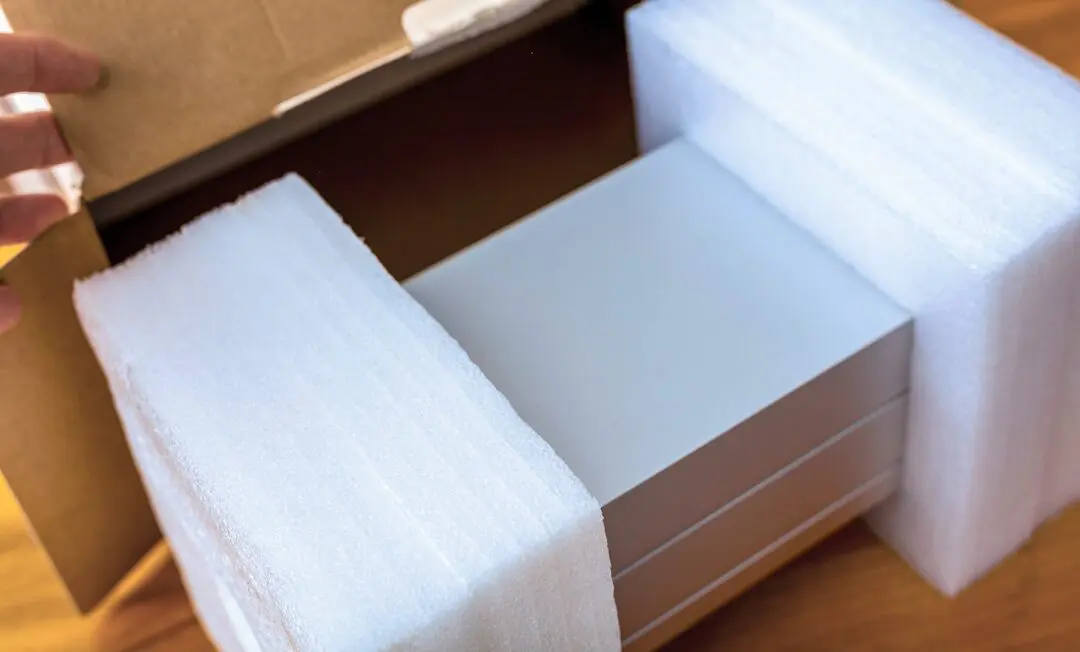
Protective Packaging. New products regularly need custom foam packaging designed from scratch. Prototyping confirms fit and protection before production begins.
Medical. Medical products often call for custom shapes and precise support. Examples include body positioners for MRI procedures and foam inserts that keep an arm elevated in a sling.
Innovation prototyping delivers the most value during packaging phase when a product is in development. Some of our customers have their own engineering teams and send finished prints. For others, our engineering support helps bring innovations to market with speed and accuracy. For a broader look at how we scale ideas into production, see Turning Ideas into Scalable Foam Solutions.
Looking for a Foam Fabrication Partner?
For more than 40 years, Keystone Foam has fabricated custom foam solutions for packaging, medical, industrial, and military applications. Whether a project starts as a finished CAD file or an early concept, our in-house engineers and broad fabrication capabilities help turn it into a solution that’s ready for production.
__
FAQs
Do I need CAD files to start a custom foam project?
No. Keystone Foam can begin with a sketch, a concept, a template, or the product itself. Our in-house engineers develop the CAD files for any custom foam fabrication solution.
Is engineering included, or is there a fee?
It depends on the project. For established opportunities with meaningful order volume, engineering is included as part of our service. Early-stage prototype development may carry a modest engineering fee based on project scope.
How many prototype rounds does a project typically take?
It often takes a couple of rounds with each round refining the final deliverable based on customer feedback.
When does die cutting make more sense than CNC cutting?
Die cutting offers the lowest per-piece cost at higher volumes but requires a tooling investment upfront. CNC methods such as waterjet and laser cutting avoid tooling costs and are well suited to prototypes and lower volumes.
Does Keystone Foam work with smaller production volumes?
Yes. Because we have multiple fabrication methods, we can match the process to a customer’s volume, from product launches through high-volume production.
Related Article Links:
What Types of Foam Are Best for Packaging Fragile Items?